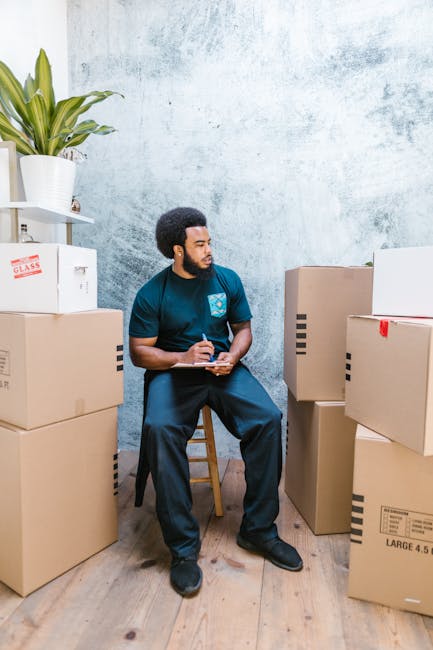
Book a business move in Merton: tailored service
Planning a business move in Merton is rarely just about getting desks from one building to another. It is about protecting trading hours, keeping staff calm, avoiding lost paperwork, and making sure the first day in the new space feels organised rather than chaotic. If you are looking to book a business move in Merton: tailored service, the real value lies in having a move planned around your company's size, timing, equipment, and level of disruption tolerance. That can mean a small office, a growing team, or a more complex relocation with filing, IT, and specialist furniture to handle.
Truth be told, most business moves go wrong when they are treated like a standard house removal. They are not the same thing at all. A commercial move needs tighter scheduling, clearer packing discipline, and a plan for what happens if a room is not ready, a lift is delayed, or someone is still on a call at 8:45 a.m. The good news? With the right preparation, a tailored service can make the whole process feel far more controlled than people expect.
This guide breaks down how a business move in Merton works, who it suits, what benefits to expect, and the common mistakes that trip people up. You will also find a practical checklist, a simple comparison table, and a realistic example so you can judge what kind of support you actually need.
Table of Contents
- Why booking a tailored business move in Merton matters
- How the process works from first enquiry to moving day
- Key benefits and practical advantages
- Who this is for and when it makes sense
- Step-by-step guidance for a smoother move
- Expert tips for better results
- Common mistakes to avoid
- Tools, resources and recommendations
- Law, compliance, standards, and best practice
- Options, methods, and comparison table
- Case study or real-world example
- Practical checklist
- Conclusion
- Frequently asked questions
Why Booking a Tailored Business Move in Merton Matters
Merton is a busy part of London, and business premises here can vary a lot: compact offices above shops, shared workspaces, back-office units, storage-linked premises, and local commercial sites that need careful access planning. That variety matters because no two moves behave the same way. One client might only need a few staff workstations moved in an afternoon. Another may need a phased relocation spread over a weekend, with IT equipment, archive boxes, and large desks moved in the right order.
A tailored service matters because it reduces avoidable friction. If the mover understands the layout, the access points, the loading area, the time window, and the business priorities, they can build the move around your operation instead of forcing your operation around the move. That difference sounds small. It is not. It is the difference between a controlled handover and a Monday morning full of missing cables, wobbling printers, and people asking where the kettle went.
For many businesses, the aim is not just transport. It is continuity. A law office may need files protected and labelled. A creative studio may need fragile equipment and screens packed carefully. A local retailer may need stock moved without disrupting customers or deliveries. This is where a specialised commercial move approach becomes useful, especially when paired with services such as commercial moves support or office relocation services that are built around business continuity rather than general removals.
Expert summary: A tailored business move is not about adding complexity; it is about removing surprises. The better the move is matched to the way your business actually works, the less disruption you will feel on the day after.
How Booking a Tailored Business Move in Merton Works
The process usually starts with a discussion about scope. That sounds obvious, but it is often where the most value comes from. You need to know what is moving, where it is moving from, where it is going, and what has to happen before, during, and after the move. Is there a lift? Are there parking restrictions? Will staff be working around the removal team? Are there sensitive items that should be handled separately? These are not minor details. They shape the entire plan.
Once the basics are clear, the move can be mapped into stages. For smaller jobs, this may be a simple same-day relocation with a team and vehicle suited to the load. For larger or more delicate moves, it may involve packing support, labelled sequences, and a staggered schedule so important areas stay functional for as long as possible. In some cases, businesses also need a moving vehicle solution such as a moving truck or removal truck hire for bulkier equipment and furniture.
In practice, the best providers will ask questions that help them plan around the reality of your day. They may ask how many workstations are involved, whether filing cabinets are locked, how fragile the technology is, and whether there are any items that need dismantling first. If your business also needs help with the set-up side, packing and unpacking services can save a surprising amount of time, especially when the team is already under pressure.
It is also common for businesses to combine the move with smaller supporting tasks. Some use a man and van or man with van service for flexible transport of lighter loads, while others need a fuller removal setup. A bespoke plan allows these options to be mixed sensibly instead of forcing one blunt solution onto every part of the move.
Key Benefits and Practical Advantages
A tailored business move is about more than convenience. It offers practical gains that are easy to appreciate once you have been through a move or two. The most immediate one is time control. When the move is structured around your working hours and access requirements, you can limit downtime and avoid losing a whole trading day to disorganisation.
There is also a real benefit in protecting equipment. Desks can be replaced. A damaged server, cracked monitor, or mislaid customer file is a much bigger issue. Careful loading, proper wrapping, and sensible route planning reduce that risk. This is where the choice of vehicle and handling method matters, particularly when you need larger capacity through a moving truck or a more compact setup for smaller commercial loads.
Another advantage is clarity for your staff. People tend to cope better when they know exactly what is happening. A good move plan gives them simple instructions: what to pack, what to label, what stays live until the final hour, and where to place items at the new site. That small sense of order can make a big difference. Let's face it, nobody likes arriving at a half-open office with three unlabelled boxes and no idea who owns them.
There is also cost efficiency, though this should be understood carefully. A cheaper move that drags on, damages items, or interrupts trading can end up costing more overall. A tailored service is often better value because it reduces wasted journeys, avoids over-ordering space or labour, and focuses resources where they matter most. If your business needs help clearing old items before or after relocation, a furniture pick-up can also be a sensible add-on.
| Move type | Best for | Main strength | Common limitation |
|---|---|---|---|
| Tailored business move | Offices, retail backrooms, mixed commercial spaces | Built around business hours, access, and equipment | Needs accurate planning upfront |
| Man and van | Smaller loads and lighter business items | Flexible and often quick to arrange | Less suitable for large or complex relocations |
| Removal truck hire | Bulk furniture and larger-volume moves | Strong capacity for heavy loads | May need more coordination at both ends |
| Full office relocation service | Team moves, equipment-heavy sites, phased relocations | Broader support, often including packing and sequencing | More planning needed, but usually worth it |
Who This Is For and When It Makes Sense
This service makes sense for a wide range of businesses, not just large companies. In fact, small firms often benefit the most because they have less margin for disruption. If a two-person consultancy loses a day, that can sting more than it does for a much bigger office. A tailored move helps protect productivity and avoids making everyone become part-time removal coordinators.
It is a strong fit for:
- Office teams moving within Merton or nearby parts of London
- Retail businesses relocating stock, shelving, or back-office equipment
- Professional practices with files, records, and client-sensitive materials
- Growing businesses moving from shared space to a larger premises
- Organisations needing phased relocation over more than one day
- Businesses that need careful packing, lifting, and set-down support
It also makes sense when the move has awkward timing. Maybe you can only move after closing time. Maybe access is only available on a Sunday. Maybe your lease handover means everything must happen in a tight window. That is exactly when a tailored service earns its keep, because the move is shaped around the constraint rather than pretending the constraint does not exist.
If you are unsure whether your business is too small or too complicated for specialist help, that usually means you should at least compare options. A simple move might only need light support. A larger one may need a more structured commercial approach. The key question is not how impressive the service sounds. It is whether it matches your actual workload.
Step-by-Step Guidance for a Smoother Move
A well-run business move usually follows a fairly clear pattern. The exact details vary, but the sequence below is a reliable starting point.
- Define the scope. List every area that is moving: desks, chairs, storage, IT, stock, archived paperwork, plants, display units, and anything fragile.
- Check access. Measure doorways if needed, note parking conditions, and confirm loading access. It saves headaches later.
- Separate essential items. Decide what needs to stay accessible until the final hour, such as laptops, payment tools, printers, or customer files.
- Label by destination. Use room names or team names, not vague notes. "Office 2 - Finance" is far better than "misc."
- Plan the timing. Book around low-demand hours if possible. Many businesses aim for evenings, weekends, or quieter trading periods.
- Confirm packing support. If the move includes fragile or complex items, arrange packing and unpacking services early.
- Prepare staff instructions. Keep them short and direct. People remember simple steps better than a long email nobody reads.
- Do a final walkthrough. Check cupboards, drawers, meeting rooms, reception, and tucked-away storage areas before the team leaves.
- Set up the new site first. Put essentials in place before chasing the nice-to-have items. Wi-Fi, workstations, and critical files come before the plants and framed prints.
A small but useful habit: give one person overall responsibility on the day. Not to do everything, just to answer quick questions. That single point of contact can prevent a dozen tiny delays. Who has the keys? Where does this box go? Is this rack staying or going? Little things, but they add up fast.
Expert Tips for Better Results
First, over-communicate before the move, then simplify on the day. That may sound contradictory, but it works. Planning needs detail. Day-of instructions need to be short and clear. The cleaner the handover, the less chance of confusion when everyone is tired.
Second, think about the order in which items will be unloaded. A move can feel smooth on paper and still go messy if everything lands in the wrong sequence. For example, IT equipment often needs to be set up before general office furniture, not after. If staff arrive to desks with no power or no network, the morning loses momentum very quickly.
Third, treat old furniture and unwanted items as part of the move, not an afterthought. Business relocations often reveal broken chairs, redundant cabinets, and duplicate storage that should not travel to the new place. Getting rid of these items before the move can reduce load, simplify transport, and make the new office easier to use. In some cases, a supporting service such as house removalists may not be the right fit for business assets, but the comparison can still help you understand whether you need a domestic-style carry or a more commercial setup.
Fourth, keep one eye on the practicalities nobody brags about: tape, labels, battery packs, and a spare roll of bin liners. Not glamorous. Absolutely useful. On move day, the boring items are often the heroes.
And lastly, leave a little breathing room in the schedule. Even a tidy relocation can run longer than expected. The lift might be slow. The car park might be busy. A filing cabinet drawer might jam. That is life. The businesses that cope best are the ones that allow a bit of slack without panic.
Common Mistakes to Avoid
One of the biggest mistakes is underestimating the volume of small items. Teams often account for desks and chairs, then forget desk contents, cables, paperwork, chargers, samples, and bits of equipment that appear from nowhere. Those "small" items usually take longer than expected because they must be sorted, packed, and labelled properly.
Another common problem is leaving the packing too late. A business move is not the kind of thing you want to start the evening before. If fragile items are involved, rushed packing can lead to breakages or missing pieces, and neither outcome is fun. If you have ever unpacked a box and found three cables with no idea which device they belong to, you will know the feeling.
Failing to think about access is also a classic slip. A move can be perfectly organised and still stall because the vehicle cannot park close enough, the loading bay is occupied, or the building rules were not checked properly. The remedy is simple enough: ask early, confirm in writing where possible, and do not assume the last site will be as easy as the first.
Some businesses also make the mistake of choosing the cheapest option without asking what is actually included. A lower price may suit a simple job, but if it excludes packing help, dismantling, or proper handling for heavier items, you may spend more fixing the gaps than you saved upfront. That is not a bargain. It is a detour.
Finally, do not forget the handover at the old site. People focus so much on the new office that they leave behind keys, labels, rubbish, or items that should have been removed. A clean exit matters. It helps avoid complaints, missed deposits, and a messy end to an otherwise decent move.
Tools, Resources and Recommendations
You do not need a complicated toolkit to manage a business move well, but you do need a few simple things that make the process easier. A shared spreadsheet or checklist is often enough to track rooms, items, owners, and status. Some teams use colour-coded labels by department. Others prefer numbered crates with a short contents list. Both can work. The best system is the one your staff will actually follow.
Useful items often include:
- Strong marker pens and printed labels
- Durable boxes for files and small equipment
- Bubble wrap or protective packing for fragile items
- Stretch wrap for drawers and loose contents
- Basic tools for dismantling desks or shelves
- Phone chargers and battery packs for the moving day
- A simple room-by-room move sheet
If you want a broader overview of the service types that can support a move, it is worth looking at the difference between man with van support for lighter transport, removal truck hire for volume, and a more complete commercial moves approach when the relocation is bigger and more layered.
For businesses that need to keep operations moving while the relocation happens, the most valuable resource is usually not a gadget. It is a calm plan. One page. Clear steps. Enough detail to act on, not so much that nobody reads it.
Law, Compliance, Standards, and Best Practice
Any business move in the UK should be handled with basic care for safety, access, and workplace organisation. Depending on the nature of your business, you may need to think about data protection, secure handling of documents, manual handling safety, and the safe packing of electrical equipment. The exact obligations depend on your situation, so it is sensible to treat this as operational best practice rather than a one-size-fits-all legal rule.
For example, businesses that store client records should think carefully about who handles those files, how they are packed, and whether they remain secure during transport. Similarly, items like monitors, printers, and office machinery should be handled in a way that reduces damage and avoids strain injuries. None of this is exotic. It is just good business sense, and frankly, it keeps the move from becoming a bad story.
Good practice also means checking lease obligations, building rules, access windows, and any site-specific conditions before move day. In many offices, the building manager or landlord will have practical requirements about lift use, loading bays, or protection for common areas. Ignoring those details can slow everyone down. Best to sort them out early.
If your move includes third-party contractors, temporary storage, or sensitive equipment, you may also want to review your own internal policies on asset tracking, keys, and confidential material. The safest approach is simple: identify the sensitive stuff first, and make someone responsible for it.
Options, Methods, and Comparison Table
There is no single "best" way to move a business. The right method depends on size, urgency, budget, and how much work you want to delegate. Some companies only need light transport support. Others need a fuller relocation plan with packing, loading, transport, and unpacking handled in sequence. Here is a practical comparison to make that decision easier.
| Option | Best when | Advantages | Watch-outs |
|---|---|---|---|
| Man and van | You are moving a limited number of items or a small office load | Flexible, practical, easy to scale for modest jobs | Can be too limited for larger furniture or equipment-heavy relocations |
| Man with van | You need straightforward transport with some handling support | Good for efficient, smaller commercial transfers | May not cover complex packing or multi-stop coordination |
| Moving truck | You have larger items, more volume, or heavier office furniture | Better capacity and more suitable for fuller loads | Requires more planning for access and loading space |
| Removal truck hire | You want dedicated transport for bulk items on a scheduled move | Helps when the move is planned in advance and load size matters | Less useful if you need hands-on packing support too |
| Commercial move service | Your business needs a coordinated relocation from start to finish | Most adaptable for offices, stock, and phased moves | Relies on clear briefings and realistic timings |
The honest answer is that many businesses use a blend of these approaches. A small team might only need transport. A larger firm might need packing, dismantling, and a truck. A more complex relocation may need everything staged over two days. The most effective plan is the one that fits the work, not the one that sounds impressive in a brochure.
Case Study or Real-World Example
Imagine a ten-person professional office moving from a compact workspace in Merton to a slightly larger premises a few streets away. The team cannot afford a full day of downtime. They have laptops, monitors, filing boxes, a reception desk, two storage cabinets, and some fairly awkward meeting-room furniture. Nothing outrageous, but enough to get messy if handled casually.
In a tailored move, the planning begins with a quick site check and a list of priority items. The office manager identifies what must remain operational until the final evening. The mover then sequences the relocation so the IT equipment, essentials, and labelled files travel first, while furniture and secondary items follow in a sensible order. A dedicated office relocation service helps keep the move structured, and a vehicle sized appropriately for the load avoids the common problem of trying to cram too much into too few trips.
On the day, staff clear their own desks into pre-labelled boxes. The removal team handles dismantling, loading, and transport. At the new site, workstations are placed in the right rooms before the team leaves. The result is not magical. There is still some unpacking to do, and somebody will probably ask where the spare stapler went. But the big disruption is contained, and the office can reopen far more quickly than if the move had been improvised.
That is the real benefit of a tailored service. It turns a stressful event into a managed process. Not perfect, maybe. But controlled, and that counts for a lot.
Practical Checklist
Use this checklist in the days leading up to your move. It is simple on purpose.
- Confirm the moving date and time window
- List every item or area being moved
- Decide what stays live until the final stage
- Label boxes by room, team, or function
- Check access, parking, and loading arrangements
- Protect fragile items and screens properly
- Back up important digital files before moving day
- Inform staff of their packing responsibilities
- Separate unwanted furniture for removal or pick-up
- Confirm contact names for both locations
- Prepare keys, codes, and entry instructions
- Do a final sweep of cupboards, drawers, and storage areas
- Check that essential equipment is working at the new site
- Keep a small box of urgent items within reach
Practical tip: Pack a "first hour" box for the new office. Put in chargers, pens, scissors, labels, tape, tea bags, basic tools, and anything else you will need immediately. It sounds minor, but that little box can save a lot of rummaging.
Get a free quote today and see how much you can save.
Conclusion
Booking a business move in Merton works best when the service is tailored to the way your organisation actually operates. That means thinking about access, timing, equipment, staff routines, packing needs, and the pressure of reopening quickly. When those pieces are handled properly, the move becomes far easier to manage and far less disruptive than people fear.
If you are comparing options, focus on fit rather than just price or volume. A small business may only need flexible transport. A larger office may need a broader commercial relocation plan. Somewhere in the middle, many businesses benefit from a mixture of packing support, moving truck capacity, and practical guidance that keeps the whole thing moving forward. No drama. Just a sensible plan, carried through properly.
And if you are still weighing it up, that is normal. Most businesses are not looking for a grand production. They just want the move done cleanly, with as little fuss as possible, so they can get back to work and carry on.
Frequently Asked Questions
What does a tailored business move in Merton actually include?
It usually includes planning, loading, transport, and placement at the new site, with the option to add packing, unpacking, dismantling, or vehicle-only support depending on your needs.
Is a business move different from a home move?
Yes. Business moves usually involve tighter timing, more emphasis on continuity, and a stronger need to protect files, equipment, and workstations. A home move and a commercial relocation are similar in principle, but not in workflow.
How far in advance should I book a business move?
As early as you can, especially if you need a specific day, limited access window, or a move outside normal hours. Short notice is sometimes possible, but planning is always easier when you give yourself breathing room.
Do I need packing help for an office move?
Not always, but it is often helpful if you have fragile items, a lot of paperwork, or equipment that needs careful preparation. Packing support can also reduce stress on your team.
What size move is suitable for a man and van service?
Smaller business moves, lighter office contents, and straightforward transport jobs are often a good fit. If you have bulky furniture or a lot of equipment, a larger vehicle or fuller commercial service may be better.
Can the move be done outside normal business hours?
Often, yes, depending on availability and site access. Evening or weekend moves are common when businesses want to minimise disruption.
How do I prepare staff for moving day?
Keep instructions clear and simple. Tell them what to pack, what to label, what must remain accessible, and when their workspace needs to be cleared. A short checklist usually works better than a long memo.
What should I do with unwanted office furniture?
Separate it before move day so it does not get mixed in with essential items. If you need help clearing it, arranging a furniture pick-up can be a practical solution.
How can I reduce downtime during a business move?
Plan the move in stages, prioritise essential equipment, label everything clearly, and keep a single point of contact on the day. Good sequencing makes a bigger difference than most people expect.
Are there compliance issues I should think about?
Yes, especially around safe handling, document security, site access rules, and your own internal procedures. The exact requirements depend on your business type, so treat compliance as part of the planning, not a last-minute detail.
What is the main benefit of choosing a tailored service instead of a standard move?
The main benefit is fit. A tailored service matches the move to your business size, schedule, and equipment, which usually means less disruption and fewer surprises.
What if my new office is not ready yet?
That can happen, and it is better to say so early. A good move plan can often be adjusted, but waiting until the last minute tends to make things harder for everyone involved.