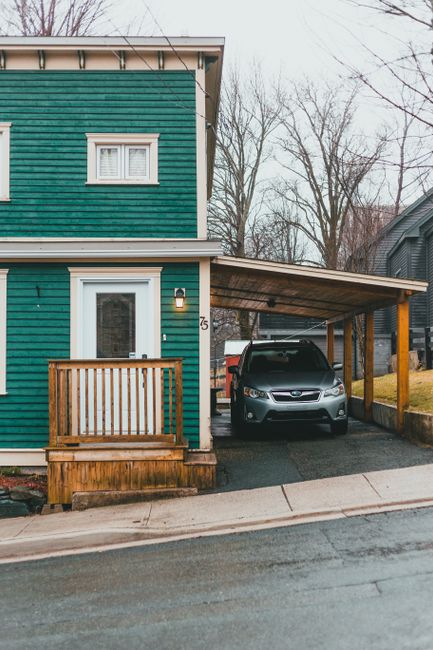
Tight-driveway house move in Mitcham: same-day success
If you are staring at a narrow driveway, a full house, and a moving date that absolutely cannot slip, you are not alone. A tight-driveway house move in Mitcham: same-day success is the kind of job that rewards calm planning, the right vehicle choice, and a crew that knows how to work around awkward access without turning the day into a slow-motion headache. In Mitcham, where streets can vary from roomy residential roads to spaces that feel designed for compact cars only, the details matter. A lot.
This guide breaks down what makes these moves tricky, how same-day relocation actually works in practice, and what you can do to keep things smooth from the first box to the last key handover. You will also find a practical checklist, a comparison of moving approaches, and the kind of real-world tips that help when space is tight and time is even tighter. Let's face it, once the sofa is halfway through the gate, nobody wants surprises.
Contents
- Why Tight-driveway house move in Mitcham: same-day success Matters
- How Tight-driveway house move in Mitcham: same-day success Works
- Key Benefits and Practical Advantages
- Who This Is For and When It Makes Sense
- Step-by-Step Guidance
- Expert Tips for Better Results
- Common Mistakes to Avoid
- Tools, Resources and Recommendations
- Law, Compliance, Standards, or Best Practice
- Options, Methods, or Comparison Table
- Case Study or Real-World Example
- Practical Checklist
- Conclusion
- Frequently Asked Questions
Why Tight-driveway house move in Mitcham: same-day success Matters
A narrow driveway can sound like a small problem until moving day arrives. Then it becomes the problem. Vans need turning space, carriers need room to work safely, and your belongings need a clear route in and out. If access is tight, even a simple move can slow down fast, especially when heavy furniture has to be angled carefully through a gate or around parked vehicles.
Same-day success matters because moving day is already full of pressure. Completion times, key handovers, school runs, parking restrictions, and tired people all stack up at once. In our experience, the households that fare best are the ones that treat access like a core part of the plan, not a minor detail to sort out on arrival.
In Mitcham, this can be especially relevant where front gardens, shared driveways, side returns, or older residential layouts create pinch points. A crew that has moved in tight conditions before will usually spot the risks early: low branches, soft ground, awkward corners, or a driveway that can take a van but not a van plus open loading doors. Small things. Big difference.
Practical takeaway: A tight driveway is not just an inconvenience; it changes the whole move strategy. If access is limited, the plan should be built around it from the start.
How Tight-driveway house move in Mitcham: same-day success Works
The process is usually simpler than people fear, but it does rely on a few moving parts lining up properly. The aim is to make the shortest, safest route between the property and the vehicle, while reducing wasted lifting and unnecessary repositioning. Think of it as choreography, except with wardrobes, mattresses, and the occasional shoe box that somehow vanished last night.
1. Access is assessed before the day
Good planning starts with a proper look at the driveway, gate width, road layout, and any obstacle that could affect vehicle access. If the drive is too tight for the main van, the team may park nearby and use smaller shuttle loads or carry items by hand over a shorter distance. That sounds simple, but it changes timings, loading order, and staffing needs.
2. The right vehicle and packing method are chosen
A large removal lorry is not always the best choice for a compact or awkward driveway. Sometimes a medium van, or even a team with a mix of vehicle sizes, is better because it can get closer to the property without blocking the street. Packing also matters. Items that are heavy, bulky, or awkwardly shaped need to be loaded in a sequence that matches the access path, not just the order they were packed in the house.
3. The loading route is protected
Once the move starts, the team will usually protect floors, thresholds, bannisters, and door frames if there is any risk of scuffing. Tight spaces make this more important, because one slightly misjudged turn can leave a mark. A good crew moves carefully without becoming painfully slow. That balance is the whole trick.
4. The day is managed in zones
For same-day moves, it helps to think in zones: inside the house, the driveway or access point, and the vehicle. Items are staged so there is no pile-up at the doorway. This avoids bottlenecks, especially when two people cannot pass easily at the same time. Honestly, bottlenecks are where moving days go to sulk.
5. Arrival at the new property is timed to the exit plan
Same-day success depends on both ends of the move. It is no good making a perfect exit from the old house if the new place has its own access issues, limited parking, or no clear unloading path. The best operators plan both addresses with the same level of care.
Key Benefits and Practical Advantages
A tight-driveway move handled well can actually be more efficient than a poorly managed "easy" move. That sounds odd, but it is true. Once the logistics are right, the benefits stack up fast.
- Less stress on moving day: You are not improvising every five minutes.
- Reduced risk of damage: Controlled access means fewer awkward scrapes and bumps.
- Faster loading and unloading: Shorter carrying distances save time and energy.
- Better use of the crew: Everyone knows where they are standing and what comes next.
- More predictable same-day timing: A solid plan keeps the schedule realistic.
- Improved safety: Tight spaces are safer when traffic flow is controlled.
There is also a quiet benefit people often miss: confidence. Once you know the access problem has been thought through, the whole day feels more manageable. You stop worrying about the driveway itself and start focusing on the things that really matter, like the kettle, the keys, and whether you packed the charging cables.
Who This Is For and When It Makes Sense
This kind of move makes sense for anyone dealing with restricted access, but it is especially useful for a few common situations.
Homeowners with narrow or shared driveways
If the front of the property is tight, uneven, or shared with a neighbour, a standard "turn up and load" approach can waste time. You need a plan that respects the space you actually have, not the space you wish you had.
Families moving on a fixed completion day
Same-day success matters most when there is no flexibility. Once keys are exchanged, the clock is ticking. Children waiting, pets underfoot, and tired adults do not make a better driveway. They just make the day feel longer.
People moving from or into older Mitcham housing
Older homes often bring narrow side access, porch steps, tight front paths, or awkward entry angles. That does not make the move impossible. It just means the details matter more.
Anyone with bulky furniture or fragile items
Sofas, wardrobes, glass tables, and large appliances need extra manoeuvring room. If the driveway is tight, the handling plan becomes part of the protection plan.
If you are unsure whether your access will be a problem, that is usually a sign to ask before moving day. Better a quick conversation now than a scramble later.
Step-by-Step Guidance
Here is a practical approach to making a same-day move work when the driveway is tight.
Step 1: Measure the access properly
Do not guess. Measure the driveway width, gate width, any turning space, and the narrowest point along the route. Include low walls, lamp posts, hedges, and overhanging branches. If the route bends, measure the bend too. That bit catches people out more often than you would think.
Step 2: Share clear photos before moving day
Photos of the driveway, road frontage, front door, and street parking situation help everyone plan. A few straightforward pictures in daylight can reveal problems that words miss. A driver can usually tell very quickly whether a van will fit close enough or whether a shuttle setup is safer.
Step 3: Decide where the vehicle will stand
This is one of the most important decisions. If the van can sit on the driveway, great. If not, choose the nearest sensible loading point and make sure you know how far items must be carried. Remember to account for pedestrian traffic, neighbours' vehicles, and any local parking restrictions that might affect the stop.
Step 4: Pack for the route, not just the room
Heavy items should be packed in a way that makes them easier to lift and carry through a tight access route. Use sturdy boxes, keep weight balanced, and avoid oversized loads that are impossible to pivot through a narrow gate. You do not want a box that is technically packed and practically impossible.
Step 5: Load the house in a sensible sequence
Start with larger, less fragile items, then move through to the smaller and more delicate boxes. Keep essentials separate. If the access point is tight, the last thing you want is everyday items buried under a mountain of random household stuff.
Step 6: Protect the pinch points
Door frames, stair edges, and sharp corners should be protected before repeated movement starts. A quick bit of protection at the beginning can save a lot of irritation later. And yes, the scrape you avoid will always feel smaller than the one you create. Funny how that works.
Step 7: Keep the exit and arrival sequence simple
Try not to have too many people giving instructions at once. One person directing, one person loading, and one person checking rooms is usually enough. More voices can slow the whole thing down. It gets noisy too.
Step 8: Leave time for a final sweep
Before leaving the old property, check cupboards, loft access, sheds, and utility spaces. In same-day moves, these little omissions are where delays and follow-up trips come from. Nobody wants to discover the iron still in the airing cupboard at 6pm.
Expert Tips for Better Results
These are the small things that make a noticeable difference, especially when the access is awkward.
- Move the largest items first from the most awkward rooms. Stairs and narrow hallways get harder when the easy space disappears.
- Keep the driveway clear before the van arrives. Bins, bikes, plant pots, and children's toys all take up more room than you think.
- Use simple labelling. Not "miscellaneous" or "random stuff," but room names and priority notes like "kettle," "documents," or "bed first."
- Protect the weather window. A wet driveway changes footing and makes carries slower. Morning rain has a talent for arriving at exactly the wrong moment.
- Check for street parking pressure. In busy residential pockets, a van blocked by parked cars can turn a tidy plan into a long wait.
One useful habit is to walk the route with someone who will actually be carrying the items, not just the person who knows the house best. The person with the box in their hands will notice the awkward corner or low step immediately. That sounds obvious, but it gets missed all the time.
If you want the day to feel calmer, prepare a "first hour" box for both ends of the move. Think water, phone chargers, basic tools, bin bags, snacks, and anything you will need before the rest of the house is unpacked. It is a small thing, but it saves a lot of faffing about.
Common Mistakes to Avoid
Most problems with tight-driveway moves are avoidable. The issue is usually not effort. It is assumption.
Assuming the van will fit without checking
Driveways can look bigger in daylight from the front garden than they actually are when a vehicle is turning in. Measurement beats guesswork every time.
Forgetting about the road outside the house
The driveway is only half the story. If the road is narrow, heavily parked, or awkward for large vehicles, your access plan needs to reflect that.
Packing boxes that are too heavy
Large boxes full of books, tools, or kitchen items become a handling problem fast. A heavy box on a narrow route is where people tire, wobble, and start regretting life choices.
Not planning for the new property
Some people focus so hard on getting out that they forget the arrival matters too. If the new driveway is equally restricted, the same rules apply there.
Leaving everything to moving day
Last-minute sorting is the enemy of same-day success. It creates clutter, slows the loading order, and increases the chance of something being left behind.
Trying to overcomplicate the handover
A move is already full of moving parts. Keep communication simple, timings realistic, and decisions clear. The day runs better when nobody is trying to solve ten problems at once.
Tools, Resources and Recommendations
You do not need a warehouse of equipment to make a tight driveway move work. A few practical tools and simple habits go a long way.
| Tool or resource | Why it helps | Best use |
|---|---|---|
| Measuring tape | Confirms driveway and gate widths | Before booking and again before moving day |
| Furniture blankets | Protects wood, paint, and upholstery | For narrow turns and door frames |
| Strong labels | Keeps boxes organised | When rooms need to be unloaded quickly |
| Floor protection | Reduces scuffs and dirt transfer | High-traffic entry points |
| Phone photos of access | Helps everyone visualise the route | When planning remotely |
If you are comparing moving support options, it can help to look beyond the quote and think about the access strategy. A team that understands awkward entrances, careful loading, and same-day scheduling is usually worth more than one that simply offers a bigger van and hopes for the best. For people preparing other kinds of domestic transport or storage support, it may also help to look at broader moving and removal services that match the size and complexity of the job.
Another useful resource is your own paperwork folder. Keep completion details, keys, inventory notes, and contact numbers in one place. Old-fashioned? Maybe. Effective? Absolutely.
Law, Compliance, Standards, or Best Practice
For a tight-driveway move, legal and practical compliance usually comes down to safe access, sensible parking, and avoiding damage or obstruction. You do not need to become a traffic planner, but you do need to be realistic about what the road and property can handle.
In UK moving practice, the main best-practice points are straightforward:
- Do not block access for neighbours or emergency services.
- Check local parking restrictions before using road space for loading.
- Use safe manual handling methods so heavy lifting is controlled.
- Protect property surfaces where repeated carrying could cause damage.
- Make sure your moving arrangements suit the actual access available.
If a vehicle must stop on the road, the team should do so in a way that is safe and considerate. If the driveway is shared, good communication with neighbours helps avoid friction. No one enjoys a moving van that sits across a shared entrance with no warning. Truth be told, most complaints happen when people feel ignored, not just when space is tight.
For fragile or valuable items, the standard of care should be proportionate to the item and the route. A careful mover will not rush glass, mirrors, antiques, or awkwardly balanced loads through a narrow space just to save a minute. That is not best practice; it is a shortcut to regret.
Options, Methods, or Comparison Table
There are a few ways to handle a same-day move where driveway access is limited. The right one depends on the property, the amount of furniture, and how much time you have.
| Method | When it works best | Pros | Trade-offs |
|---|---|---|---|
| Large van close to the house | Driveway and turning space allow it | Fast loading, fewer carries | Can be impossible on tighter plots |
| Medium van with closer parking | Street access is limited but workable | More flexible, often easier to position | May need more trips or crew movement |
| Shuttle loading with smaller vehicle | Very tight access or shared driveway | Highly adaptable, safer for restricted spaces | Slower if not planned properly |
| Mixed-vehicle approach | When some items are large and access varies | Balances speed and flexibility | Needs careful coordination |
For many Mitcham homes, the mixed approach is the sweet spot. It allows bulky items to be handled sensibly while keeping smaller boxes moving. Not glamorous, but effective. And in moving, effective wins.
Case Study or Real-World Example
Imagine a family moving from a terraced house in Mitcham with a narrow front drive and a tight path to the front door. The driveway could take a van if positioned carefully, but not if the rear doors needed to swing fully open into the road. The house also had a sofa that was too bulky to tilt freely through the gate without a bit of planning.
Instead of forcing the biggest vehicle possible into the space, the move was broken into stages. Smaller vans handled the bulkier items while the team loaded in order of size and fragility. The front path was protected. The sofa was taken out first, before the entryway became cluttered. Fragile boxes were kept back until there was clear room. The family had packed an essentials box, which meant they could find bedding, tea, and phone chargers straight away once they arrived.
What made the day work was not luck. It was access planning. The team knew where the awkward corner was, where the carry distance started, and which items needed more room to pivot. By late afternoon, the house was emptied and the family had enough energy left to enjoy the first takeaway in the new place. That part matters more than people admit.
Expert view: Tight access does not automatically mean a difficult move. It means the move has to be designed around the property instead of against it.
Practical Checklist
Use this checklist before moving day. It is simple, but it catches most of the common snags.
- Measure driveway width, gate width, and the narrowest access point.
- Take clear photos of the front of the property and street parking situation.
- Confirm where the vehicle can safely stop.
- Clear bins, bikes, garden items, and loose clutter from the access route.
- Protect floors, thresholds, and door frames where needed.
- Pack heavy items into manageable boxes.
- Label boxes by room and priority.
- Prepare a first-night essentials box.
- Check both the old and new properties for access issues.
- Keep keys, paperwork, and contact numbers together.
- Allow extra time for loading and unloading if access is tight.
- Tell neighbours if the road may be busier than usual.
Simple list. Big payoff. That is usually how it goes.
Conclusion
A tight-driveway house move in Mitcham: same-day success is absolutely achievable when the access is measured, the route is planned, and the loading method matches the property rather than fighting it. The key is not brute force. It is calm preparation, smart vehicle positioning, and a crew that understands how to keep things moving without cutting corners.
If you are facing a restricted driveway and a fixed moving date, the safest next step is to review the access now, not later. A few practical checks today can save a lot of pressure on the day itself. And once the final box is in and the door closes behind you, it is a surprisingly good feeling. Tired, yes. But good.
Get a free quote today and see how much you can save.
Frequently Asked Questions
Can a house move still be done on the same day if the driveway is very narrow?
Yes, often it can. The key is to plan the vehicle position, carrying route, and loading order in advance. If the main van cannot get close enough, a smaller vehicle or shuttle method may be used instead.
How do I know if my driveway is too tight for a removal van?
The safest way is to measure the width and check turning room, gate clearance, and any obstacles such as walls or overhanging branches. Photos help too. If in doubt, assume the access is tighter than it looks.
What should I tell movers before the day?
Tell them the driveway width, gate size, parking situation, whether it is shared, and if there are any awkward corners or steps. The more specific you are, the easier it is to plan properly.
Will a tight driveway make the move more expensive?
It can, because awkward access may take longer or require more careful handling. That said, a well-planned move can still be efficient. The final cost depends on the complexity, not just the driveway alone.
Is it better to use a bigger van or a smaller one?
Not always bigger. A van that is too large for the access can slow everything down. In some cases, a smaller or medium vehicle is more practical because it gets closer to the property and reduces carrying distance.
What if parking outside the house is limited?
That is common in many residential streets. The moving plan may need to use the nearest safe loading point, which can mean a longer carry. The important part is to decide that in advance, not when the van arrives.
How can I protect my driveway and walls from damage?
Use floor protection, doorframe covers, and careful route planning. Items should be carried with enough space to turn safely, not forced through gaps. A little protection at the start is worth a lot later.
Should I pack differently for a tight-access move?
Yes. Keep boxes manageable, avoid overfilling them, and label items clearly. Bulky or heavy boxes are harder to carry through narrow areas and more likely to cause accidents.
What happens if the move runs late because access is awkward?
That is where planning matters. A realistic schedule should already allow a bit of flexibility. If access is proving slower than expected, the team may adjust the loading sequence or bring items out in a different order.
Can I still do a tight-driveway move if the property has a shared entrance?
Yes, but it is better to plan carefully and communicate with neighbours if needed. Shared access means fewer opportunities to block the route, so timing and courtesy become especially important.
What is the biggest mistake people make with same-day moves?
Assuming there will be enough time to sort everything on the day. There usually is not. Packing, measuring, and access planning should happen before moving day, not during it.
How do I make the day feel less stressful?
Keep essentials separate, label clearly, and make sure the route is clear before loading begins. A calm, practical setup does more for stress levels than almost anything else. Small win, but a real one.